
The role of in the transport of high-value goods
By Alvaro González Escalada, General Manager of Logista Freight
 May 05, 2026
The increasing complexity of international supply chains has transformed the transport of high-value goods into a strategic priority for companies in different sectors. When we talk about technological equipment, industrial components, strategic raw materials or products with a high economic impact, transport is no longer simply a matter of physical movement but a critical responsibility for the entire supply chain.

Risks of transporting high-value goods
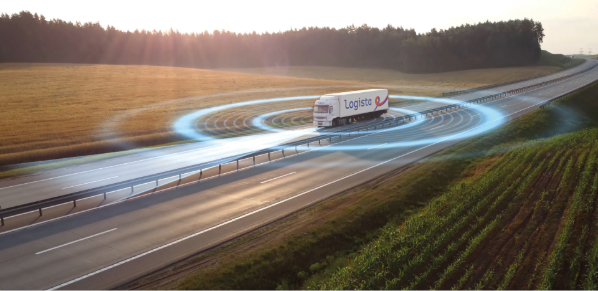
When we refer to these types of goods, the associated risk is not limited to the financial value of the cargo. A delay, a failure of control or a breakdown in the integrity of transport can compromise industrial operations, interrupt production chains and affect trust between trading partners. Security thus ceases to be only an operational concern and is consolidated as a true factor of competitiveness.
Along the logistical journey, there are multiple points of risk. Crossing borders, staying on intermediate platforms, customs processes and the articulation between different modes of transport increase complexity and require rigorous control at all stages. The greater the complexity of the operation, the greater the need to guarantee traceability, control and immediate response capacity to any incident.
How to choose a logistics partner for high-value transport
Security does not depend only on the physical protection of the goods, but on the ability to design integrated, efficient and predictable operations. The definition of the most appropriate routes, the choice of specialized partners and the coordination between all the participants become determining factors to reduce vulnerabilities and guarantee stability throughout the operation.
Technology, traceability and operational expertise in high-value transport

Digitalization has added a new dimension to this management. Real-time monitoring, traceability systems and operational visibility platforms make it possible to follow every movement of the goods, identify deviations and act immediately in the event of any anomaly. This ability to anticipate not only strengthens , but also customer confidence and the resilience of operations.
However, technology is not a substitute for specialized knowledge. Operational experience remains indispensable. Knowing international markets, understanding customs challenges, anticipating geopolitical risks, and responding quickly to unforeseen events are skills that make all the difference when transporting critical and high-value goods.
Security as a competitive factor in the transport of high-value goods
Customer trust is built precisely on this ability to ensure consistency and control. Companies are looking for logistics partners that offer not only transportation, but also, predictability, and transparency. Because each delivery represents more than a business transaction: it represents operational continuity, investment protection and compliance with contractual commitments.
Conclusion
In an economic scenario where the resilience of supply chains is increasingly valued, in the transport of high-value goods has become a real strategic differentiator. It is not just about protecting a cargo, but about protecting business relationships, investments and the continuity of operations itself.