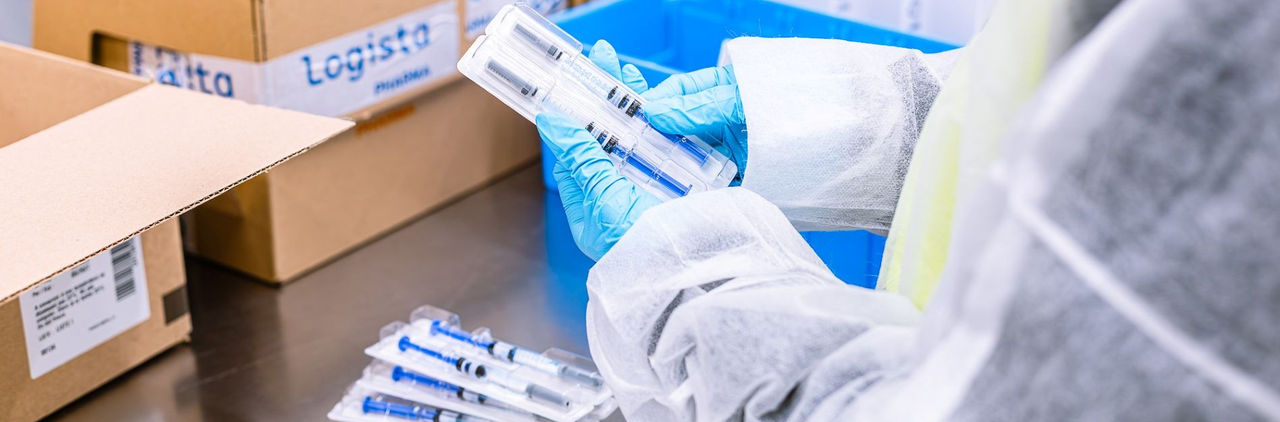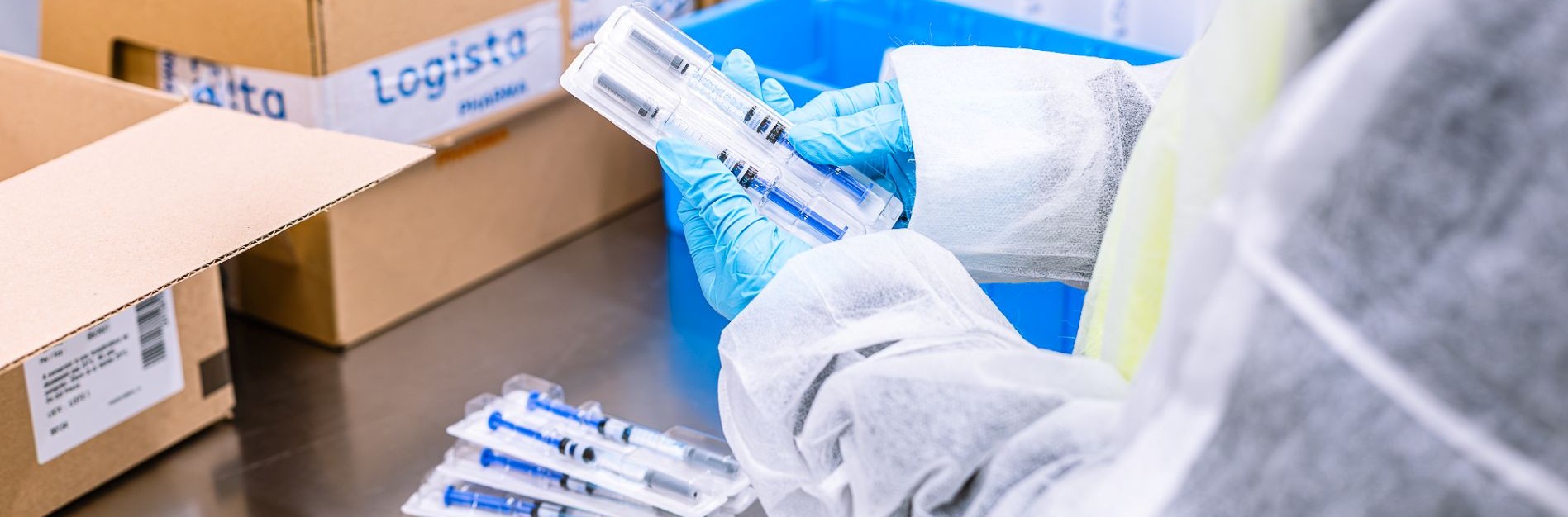
Vaccines: logistics, scalability and resilience in the pharmaceutical supply chain
A technical approach from Good Distribution Practices (GDP)
By Manuel Andrés Atienza, Director of Business Development - Pharma Sector Logista Freight
 July 03, 2026
Vaccine distribution requires a combination of GDP compliance, strict cold chain control, and the ability to scale without losing traceability or security. The increasing diversity of thermal profiles – from standard preservation to deep-freezing – and the increase in geopolitical and security risks make logistics a direct extension of the quality system, not an ancillary process.

Logistics as an integral part of the quality system
In the pharmaceutical field, the distribution of vaccines is one of the most critical phases of the life cycle of the medicine. Between the time of its release and its final administration, the product goes through a logistics chain in which time, temperature, handling, security and traceability must be strictly controlled to ensure that the properties of the medicine remain unaltered. From this perspective, logistics cannot be considered an auxiliary process, but a direct extension of the quality system subject to the requirements of Good Distribution Practices (GDP).
The technological evolution of vaccines in recent years has significantly increased the complexity of their distribution. In addition to traditional models of preservation between 2–8 °C, products that require deep-freezing have been added, which requires the design of highly specialized supply chains. In this context, concepts such as scalability, resiliency and security have become key elements to guarantee continuity of supply without compromising regulatory compliance.
1. Vaccine typology and associated logistical requirements

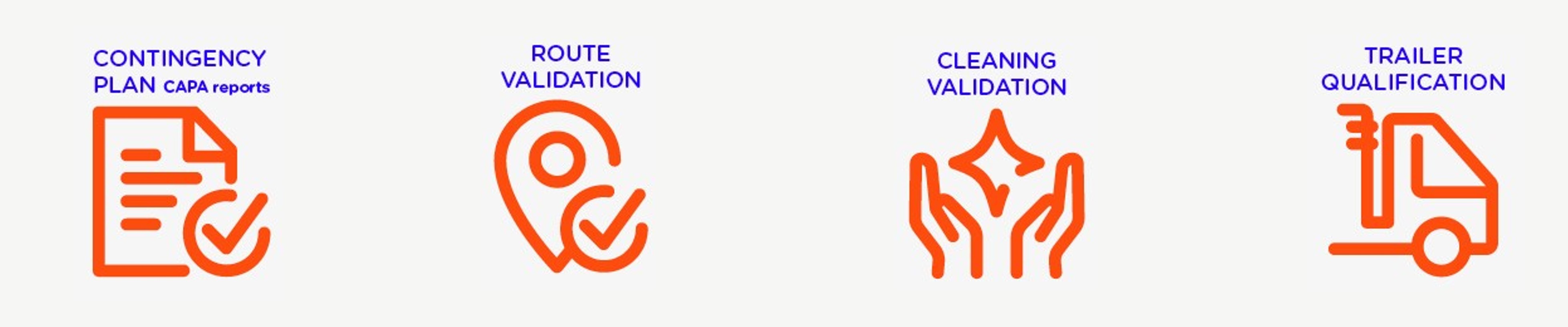
GDP Compliant Management System Certification
Logistically, vaccines do not constitute a homogeneous group. Their requirements vary significantly depending on the technology used and their stability profile, which conditions the design of storage and transport processes.
Standard conservation vaccines (2–8 °C) continue to represent the largest volume distributed globally. Although it is a widely known thermal range, its management involves specific risks that must be carefully controlled, such as:
- Exposure to temperatures below 0°C, with potential impact on product quality.
- Increases in out-of-refrigeration time during loading, unloading or preparation operations.
- Seasonal variability and differences between different transport routes that can affect thermal stability.
GDP compliance requires that these variables be managed systematically, with qualified processes and records that demonstrate the maintenance of the specified conditions.
The emergence of vaccines with freeze requirements has introduced new operational challenges. In these cases, logistics must include: Specific infrastructures and equipment for extremely low temperatures; limitations of thermal autonomy and critical intervention points; and clearly defined contingency procedures in the event of unforeseen deviations or interruptions.
The coexistence of vaccines with such different thermal profiles within the same logistics network requires clear segmentation of processes and particularly rigorous planning.
2. Scalability: managing peaks in demand without losing control
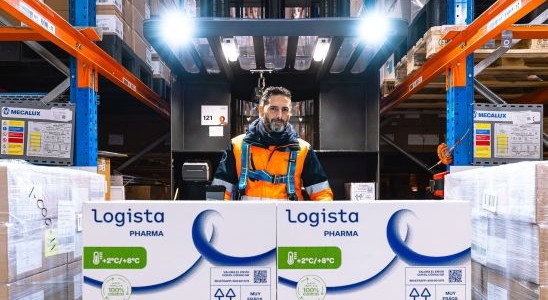
Vaccination campaigns tend to be concentrated in very specific periods, generating peaks in demand that test the capacity of the supply chain. In these scenarios, scalability cannot be understood only as a one-off increase in resources, but as the ability of the system to grow in a controlled way, maintaining quality and GDP compliance standards.
It is essential to have a logistics partner with specific expertise in pharmaceutical products, capable of absorbing significant increases in volume with full guarantee. This capacity is supported by several pillars:
- Infrastructures and resources sized for high-activity scenarios.
- Previously qualified and validated processes.
- Personnel trained in operations under GDP.
- Control systems that ensure traceability and operational coherence.
The presence of a prepared logistics operator means that the increase in demand does not translate into greater exposure to risk, ensuring that each shipment is managed under the same control conditions, regardless of the operational context.
3. Security in vaccine distribution: risks and necessary controls
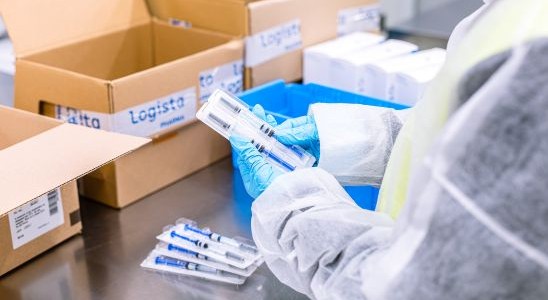
Beyond thermal requirements, vaccine distribution presents specific security risks, stemming from both the high value of the product and its health impact. This combination makes vaccines particularly sensitive to external interference.
Key security risks include:
- Theft or theft, total or partial, especially in contexts of scarcity or high demand.
- Unauthorized tampering, which may compromise the integrity of the product without evidence of thermal deviation.
- Loss of traceability, associated with uncontrolled changes of custody or documentary deficiencies.
From a GDP perspective, security must be addressed in a transversal way, integrating custody measures, access control, clear procedures for transferring responsibility and systems that allow tampering to be detected. Logistical security not only protects the economic value of the product, but also preserves its therapeutic suitability and the confidence of the healthcare system.
4. Transport risks: an increasingly complex environment
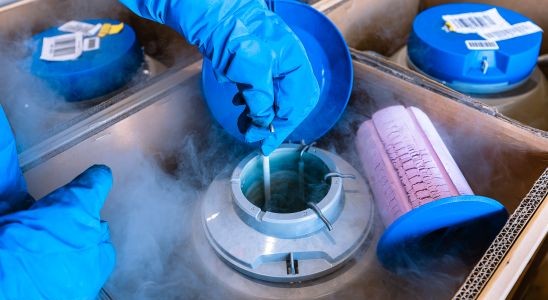
Transport represents one of the most exposed phases of the vaccine logistics chain, as multiple external factors that are difficult to control converge. Among the most relevant risks are:
- Thermal excursions, caused by delays, equipment failures or prolonged exposures outside controlled conditions.
- Geopolitical tensions and international restrictions, which can lead to border closures, route cancellations, sanctions, disruptions to air or sea traffic, and increased customs complexity.
- Congestion in critical infrastructures, especially in logistics nodes during periods of high demand.
- Infrastructure or equipment failures, such as power interruptions or incidents in maintenance systems.
The management of these risks requires advance planning and the availability of specific contingency plans, capable of being effectively activated in the face of adverse scenarios without compromising the quality of the product.
5. Quality, traceability and compliance GDP

The Good Distribution Practices framework integrates all of the above elements into a structured quality system. Its correct application in the distribution of vaccines implies paying attention to several key aspects. Rigorous management of Change Controls and the maintenance of continuous qualification status are therefore necessary. Any modifications to routes, processes, packaging or suppliers must be evaluated from the point of view of their impact on the product, ensuring that the changes do not introduce additional risks.
Deviations must be analyzed systematically, identifying root causes and defining corrective and preventive actions that strengthen the system and prevent recurrences. This is what is known as Deviation Management and CAPA
Even in highly critical operations, training, task standardization and procedural clarity are decisive in reducing errors, especially in contexts with a high operational load.
Conclusion
Vaccine logistics is characterised by a demanding combination of technical rigour, adaptability and operational robustness. For both standard preservation vaccines and those that require freezing, supply chain design must integrate scalability, resilience, security, and GDP compliance as inseparable elements.
In an environment marked by peak demand, transport disruptions and increasing geopolitical complexity, having specialised logistics partners and well-structured supply chains is consolidated as a key factor in ensuring the continuity, quality and reliability of vaccine supply.